The military has a deliberate and immersive process for transforming civilians into Soldiers, Sailors, Airmen, Marines, Coast Guardsmen, and Guardians. It shapes language, behavior, identity, relationships, decision-making, purpose, and belonging. Yet when military service ends, the language shifts abruptly: service members are told they are “returning to civilian life,” as if separation/retirement reverses that transformation.
Veteran identity is often reduced to an administrative status: a designation on a driver’s license, a checkbox on an employment application, or as evidence of eligibility for benefits. No comparable process helps service members understand what it means to become veterans: people permanently shaped by military service who must now learn how to live, work, lead, and belong in a predominantly civilian world.
Leaving military service is more than a career change. Veterans enter a substantially different environment - one that may not recognize their language, understand their experiences, or interpret their leadership capabilities as the military did. The veteran has changed, the place they once called home has changed, and the military community that became home continues without them.
The resulting challenges are often related to identity and translation. The résumé may be where the translation problem first becomes visible, but it usually involves so much more. How to translate collective accomplishment into individual value, rank-based authority into influence, duty into choice, mission into personal purpose, and a service-shaped identity into language others can understand can be daunting.
This interactive session is designed to open the conversation up with coaches – to understand the cultural and identity dimensions of leaving military service without stereotyping veterans or treating them as a single population. Participants will explore how coaching can support veterans in understanding, integrating, and communicating who they have become. The session will also address the ethical distinction between coaching and therapy, including how coaches can acknowledge trauma and PTSD
without diagnosing, treating, or practicing beyond the boundaries of coaching.
Learning Objectives:
1. Identify at least three ways military culture, language, shared purpose, and belonging may influence a veteran’s identity and experience of leaving military service.
2. Apply coaching questions that help veterans translate service-shaped experiences, strengths, values, and leadership capabilities into personally meaningful language without reducing the coaching engagement to résumé or employment assistance.
3. Distinguish appropriate coaching conversations from needs requiring therapeutic or other professional support and describe how to establish, communicate, and maintain ethical boundaries when coaching veterans who may disclose trauma or PTSD.
Core Competencies Addressed:
Demonstrates Ethical Practice, Cultivates Trust and Safety, Maintains Presence, Listens Actively, Evokes Awareness, Facilitates Client Growth
Participants will earn 1 Core Competency and .5 Resource Development CCEs for attending this program.
*Disclaimer: AI BOTS will not be permitted.
Meet the Speaker: Maureen Rudell, PCC
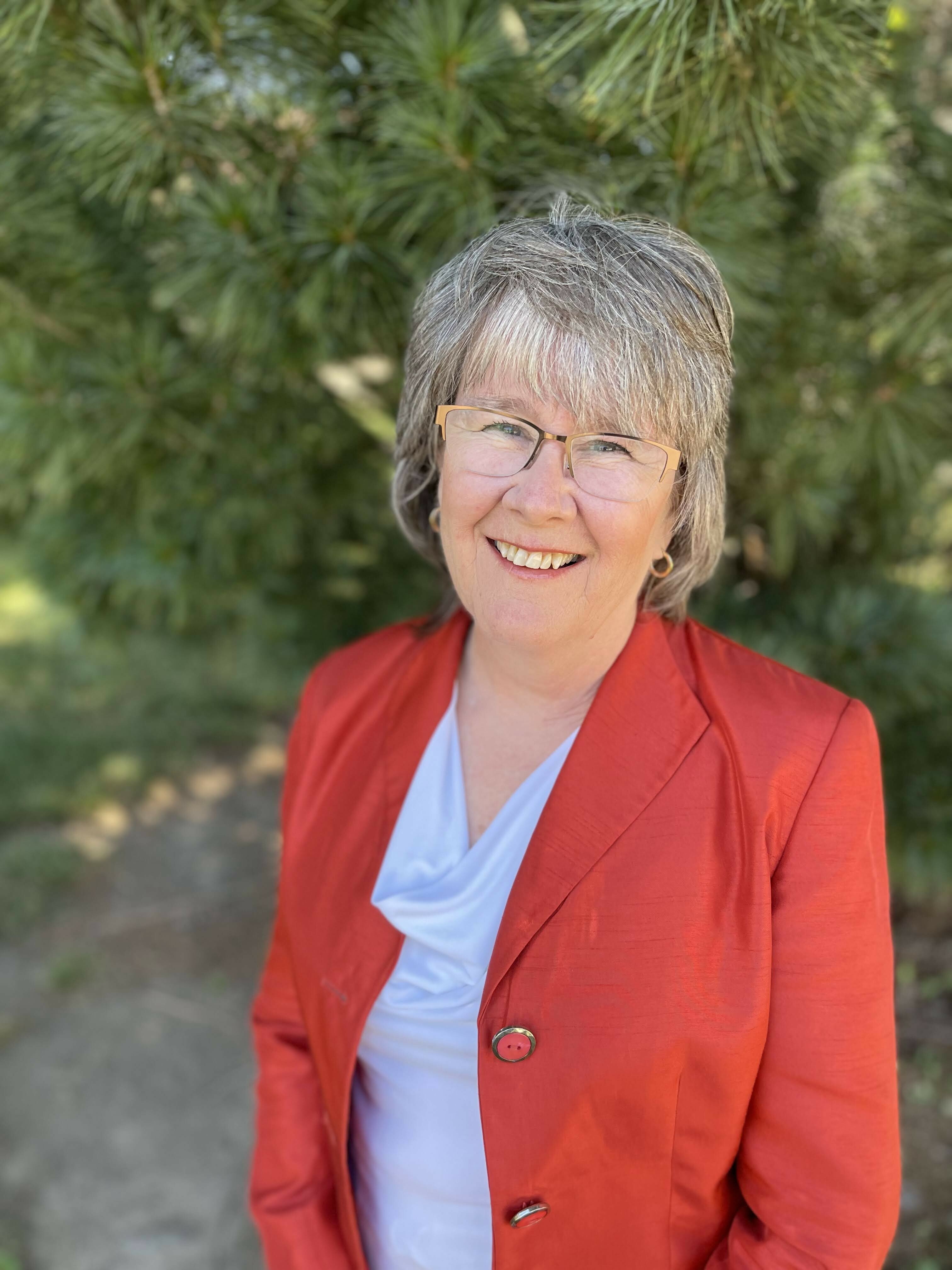 Maureen Rudell, MBA, MS, PCC, is a retired U.S. Air Force veteran, executive and leadership coach, and leadership development practitioner whose career spans more than four decades across military service, federal civil service, multinational corporations, and professional coaching.
Maureen entered the Air Force in 1978 as a diesel mechanic, during one of the first generations of women entering traditionally male military career fields. Her subsequent
career included leadership and technical roles supporting aircraft systems, logistics, communications, human resources, organizational readiness, and global military operations. She later retired from federal service after serving as the lead planner for USTRANSCOM’s Tier 1 joint military exercise involving more than 100 trusted agents across military services, federal agencies, and global locations.
An ICF Professional Certified Coach, Maureen holds an MBA with a concentration in
Leadership, an MS in Military Operational Art and Science, a Doctoral-level Executive
Certificate in Strategic Leadership, and Brown University’s Leadership and Performance
Coaching Certificate. She has coached more than 125 leaders and currently coaches
transitioning special operations personnel through The Honor Foundation.
For the past two years, Maureen has co-facilitated monthly military transition
workshops exploring the identity shift involved in “taking off the uniform.” As a veteran
living with PTSD, she brings professional and lived understanding of the importance of
maintaining appropriate boundaries between coaching and therapy while creating
space for veterans to explore identity, purpose, belonging, leadership, and what they
will carry forward after military service.